Downspout Snaking in Monmouth County, NJ
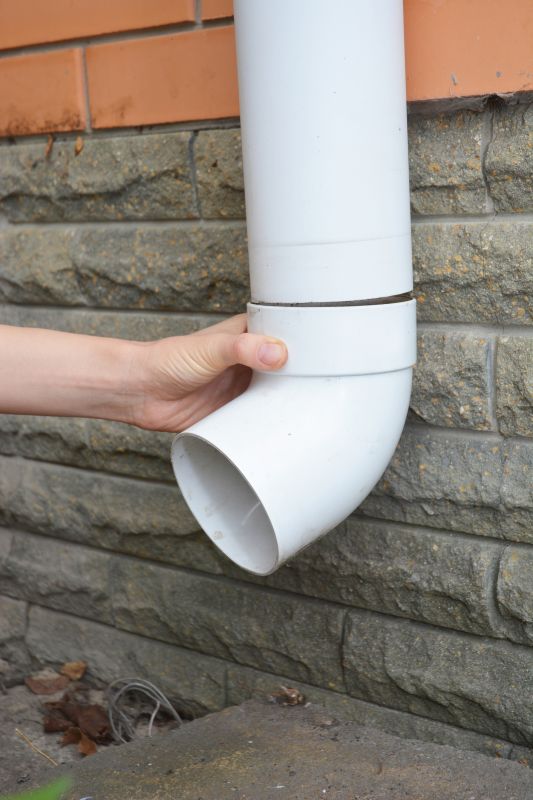
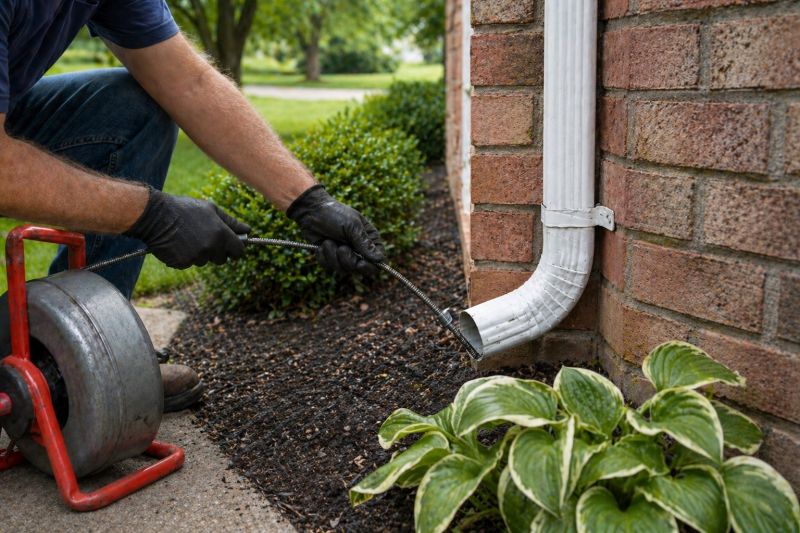
Downspout snaking services involve clearing out blockages within the downspouts and drainage systems that direct rainwater away from a property. This service is commonly requested when homeowners notice signs of drainage issues, such as water overflowing from gutters, pooling around the foundation, or water backing up during heavy rain. Projects typically include removing debris, leaves, and obstructions that can cause clogs, ensuring that rainwater flows freely through the gutters and away from the home’s foundation.
Property owners considering downspout snaking should understand the importance of regular maintenance to prevent water damage and foundation problems. Before requesting this service, it’s helpful to identify specific issues like persistent backups or overflowing gutters, and to consider the length and accessibility of the downspouts. Properly functioning downspouts contribute to effective water management and help protect the property’s structural integrity during adverse weather conditions.
Many property owners in Monmouth County, NJ look into Downspout Snaking for repairs, replacements, upgrades, and appearance-related improvements.
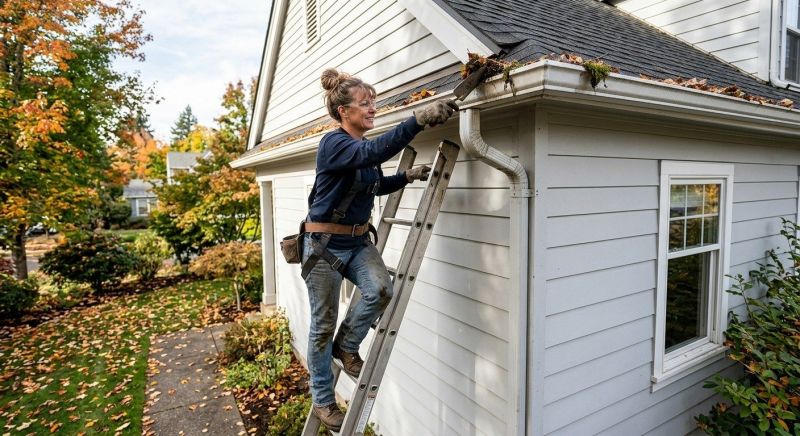
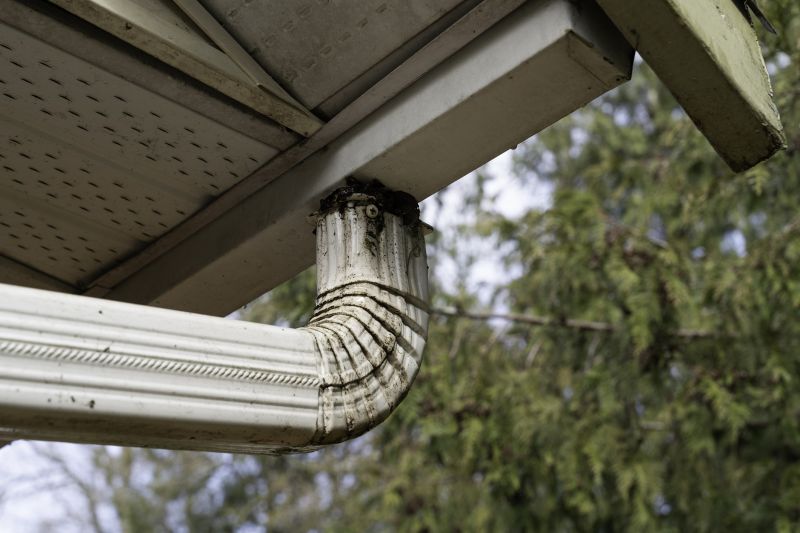
Clogged Downspouts
Downspout snaking clears blockages caused by leaves, debris, and buildup to prevent water damage.
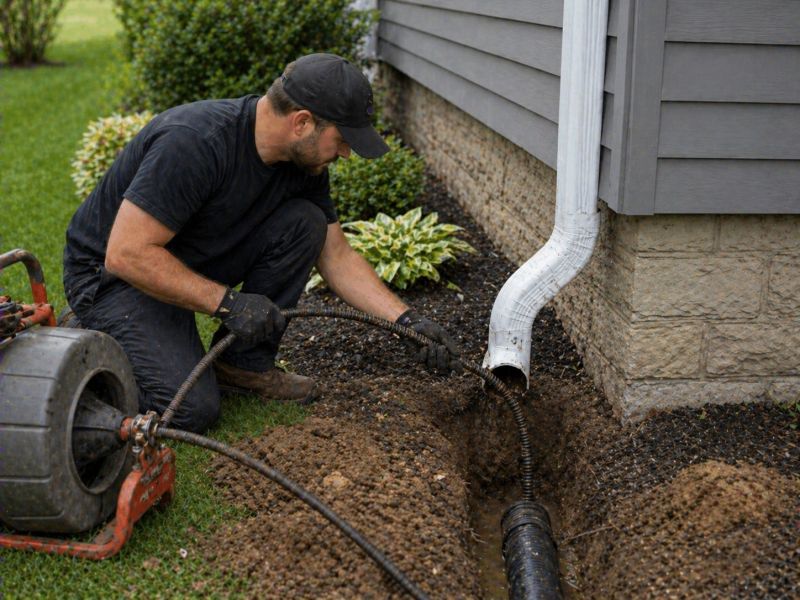
Maintenance And Prevention
Regular snaking helps maintain proper drainage and extends the lifespan of gutter systems in monmouth county homes.
Storm Damage Recovery
Snaking services are essential for restoring flow after heavy rains or storms to protect your property.
Downspout Snaking in Monmouth County, NJ

Downspout snaking services involve clearing out blockages within the downspouts and drainage systems that direct rainwater away from a property. This service is commonly requested when homeowners notice signs of drainage issues, such as water overflowing from gutters, pooling around the foundation, or water backing up during heavy rain. Projects typically include removing debris, leaves, and obstructions that can cause clogs, ensuring that rainwater flows freely through the gutters and away from the home’s foundation.
Property owners considering downspout snaking should understand the importance of regular maintenance to prevent water damage and foundation problems. Before requesting this service, it’s helpful to identify specific issues like persistent backups or overflowing gutters, and to consider the length and accessibility of the downspouts. Properly functioning downspouts contribute to effective water management and help protect the property’s structural integrity during adverse weather conditions.
Many property owners in Monmouth County, NJ look into Downspout Snaking for repairs, replacements, upgrades, and appearance-related improvements.
Common Downspout Snaking Jobs
Downspout Snaking - clearing clogs to ensure proper water flow through downspouts.
Drain Cleaning - removing debris and buildup that block downspout drainage.
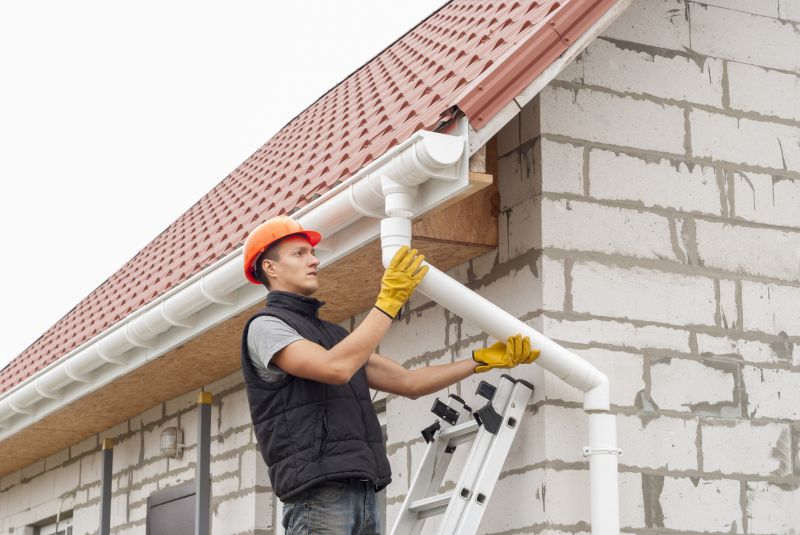
Gutter System Maintenance - maintaining clear pathways for rainwater to protect your home.
Clog Removal - eliminating obstructions that cause water backup and overflow.
Pipe Unclogging - using specialized tools to clear downspout pipes efficiently.
Water Flow Restoration - restoring proper drainage to prevent water damage around the property.
Downspout Snaking Questions
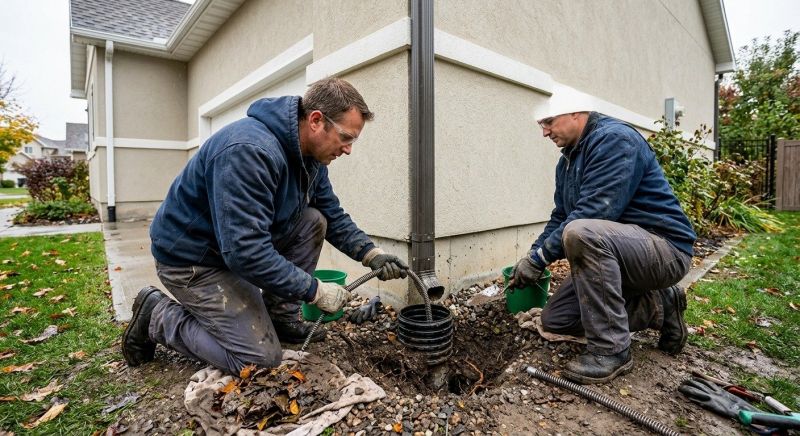
What is downspout snaking? Downspout snaking involves clearing clogs and debris from the inside of downspouts using specialized tools to ensure proper drainage.
When should downspouts be snaked? Snaking is recommended when water is overflowing or not flowing freely through the downspouts, indicating a blockage.
What problems can blocked downspouts cause? Blocked downspouts can lead to water damage, foundation issues, and basement flooding by preventing proper runoff from the roof.
How is downspout snaking performed? The process typically involves inserting a flexible auger or cable into the downspout to break up and remove obstructions.
Request Downspout Snaking in Monmouth County, NJ
Use the quote form on this page to share the basics of your project and request more information for the type of work you need.